Why Choose a Board-Certified Plastic Surgeon
Choose a board-certified plastic surgeon and be confident you are in the care of a highly trained surgeon you can trust.
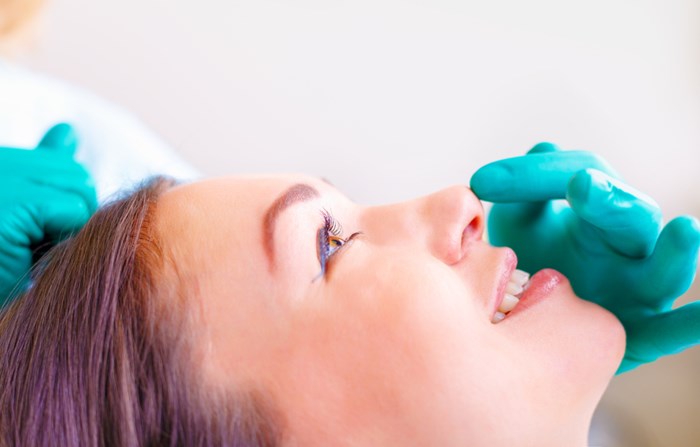
When speaking about rhinoplasty, I explain to patients that the single term can refer to a wide range of elements. Nose surgery may involve altering the size and shape of the nostrils, bridge, nasal tip and/or other structures. The goal is harmonizing the shape and proportion of the nose with the entire face.
More broadly, rhinoplasty can be used to describe not only cosmetic procedures designed to impact the look of the nose, but also medical procedures to improve the function of the nose.
The two surgical focuses are closely linked because the form and function of the nose are intertwined. A visible asymmetry on the outside very likely indicates misaligned structures on the inside. Such irregularities can disrupt and impede the free flow of air, making breathing a more laborious task than it should be. In many cases, correcting the internal problem leads to a corresponding, aesthetically pleasing external shift, as well.
Common problems seen in patients seeking functional rhinoplasty include nasal passages that are too narrow and a crooked (or "deviated") line of cartilage known as the septum. A person's septum may be misaligned due to its natural development, or it may have been pushed out of alignment due to trauma.
On its own, a procedure for straightening the septum is known as a septoplasty. Positioning the cartilage so that it sits properly vertical, instead of at an angle, can allow air to move more easily through each nostril.
Another common functional problem involves allergies, hormones or sinus infections causing turbinates to become enlarged. Also known as nasal conchae because of their shell-like shape, these structures warm and humidify the air as it moves through the nasal passages. Turbinates are made of bone, blood vessels and other tissue and come in three pairs: two superior, two middle and two inferior. If the inferior turbinates—which are the lowest and largest of the structures—become swollen, they can inhibit nasal airflow on both the right and left side of the nose.
Turbinate reduction can resolve this problem. The procedure involves removing tissue to provide more open space that allows air to pass by.
Patients pursuing cosmetic rhinoplasty also frequently cite asymmetry as a problem they want corrected. A nose that tilts, leans or points too far to the left or right can draw unwanted attention, especially when the rest of the features of the face are aligned symmetrically.
Other cosmetic issues nose surgery can address include overly wide nostrils, a nasal tip that is either pinched or bulbous and a pronounced bump or dip on the dorsum. Men and women who simply feel that their nose is "too large" often discover that there is one particular feature that is out of proportion.
Oftentimes, correcting a key area can yield results that make the entire nose appear to better balance with the eyes, mouth, forehead, and other parts of the face—including distance between these elements, their angles relative to each other and more.
No matter their procedural specifics, rhinoplasty patients should expect to wear a splint for approximately a week after their surgery. This will hold the nasal tissues in place and ensure that they properly heal in their new alignments.
Bruising and swelling are also to be expected, lasting for about two weeks. Once the skin returns to its typical color and the swelling goes down, the cosmetic results will be more apparent. Note, however, that the nose can take considerable time to heal, so full resolution may not happen for a matter of months, or perhaps even a year.
Rhinoplasty can be a life-changing procedure, and it's no surprise that rhinoplasty is consistently among the top plastic surgery procedures performed every year. If you think rhinoplasty is right for you, be sure to use the ASPS Plastic Surgery Connect referral service to find a board-certified plastic surgeon in your area.
The views expressed in this blog are those of the author and do not necessarily reflect the opinions of the American Society of Plastic Surgeons.