Why Choose a Board-Certified Plastic Surgeon
Choose a board-certified plastic surgeon and be confident you are in the care of a highly trained surgeon you can trust.
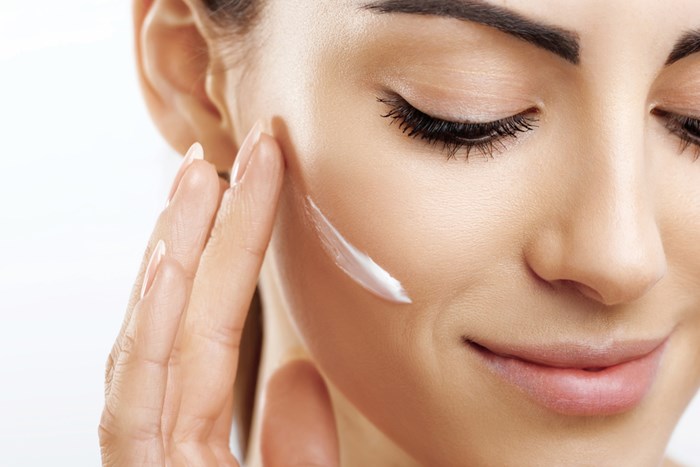
Retin-A, or tretinoin, is a form of vitamin A that was developed at the University of Pennsylvania in the 1960s. One of the most successful patents of all time, it revolutionized topical skin care and still has great utility today.
To understand how Retin-A works, it helps to understand the effects of aging on the skin. The most superficial cells – the keratinocytes of the epidermis – tend to become more adhesive and hang around longer. This leaves the skin looking dryer and rougher. The epidermal cells at the base also do not replicate as quickly, so the lifespan of these cells in the outer layer is much longer – and it shows. The pigmentation can become irregular and mottled because of this.
 The deeper layer of cells, called the dermis, and the collagen bundles become thinner and disordered, allowing for creases and fine wrinkles to more easily show the muscular activity from below.
Retin-A is a topical medicine available by prescription only that is applied sparingly to the facial skin, sparing the eyelids and the corners of the nose and lips. It works at the cellular level and takes several months to see the full effect. In many ways, Retin-A can be thought of as reversing the outwards signs of aging on the skin.
The earliest effect of Retin-A is that the outer layer of keratinocytes start shedding off, leaving the skin fresher, smoother and more evenly pigmented. The next effect seen is that the epidermal cells start to replicate faster causing the skin to look and feel softer, more robust and healthier. Finally, the collagen bundles in the dermis will thicken and organize, causing the appearance of fine lines and wrinkles to lessen with time.
Retin-A improves the cosmetic appearance of the skin, but it also helps treat some functional problems of the skin such as acne and precancerous conditions, such as actinic keratoses.
Typical treatment regimens include a period of tapering up. The topical product is applied sparingly 2-3 nights per week for several weeks and then the frequency is gradually increased until a nightly regimen is attained. A cream or gel delivery system is chosen based on the skin's underlying dry or oily predisposition and the concentration can be increased over time.
Common side effects are raw itchy burning skin, generally from more aggressive application in the early phase of exposure. Often taking a break for a few days before continuing the medication at a slower ramp-up will remedy this. Sensitive areas like the corners of the nose, eyelids, lips and corners of the lips should not be treated. Patients should avoid exposure to the sun following Retin-A treatments. The use during pregnancy should also be avoided.
Pretreatment with Retin-A is extremely helpful prior to moderate to deep chemical peel, laser treatments, dermabrasion or facelifting to hasten healing and help prevent scarring or dyspigmentation. Retin-A is certainly a useful addition to any beauty regimen.
The views expressed in this blog are those of the author and do not necessarily reflect the opinions of the American Society of Plastic Surgeons.