Why Choose a Board-Certified Plastic Surgeon
Choose a board-certified plastic surgeon and be confident you are in the care of a highly trained surgeon you can trust.
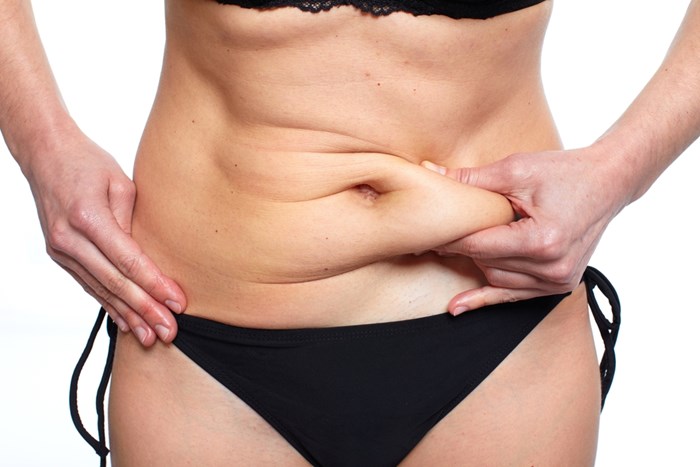
Did you know that there are multiple types of tummy tucks? Dr. Shahram Salemy, a board certified plastic surgeon with an active practice in Seattle, Washington, explains the different varieties of tummy tucks and offers insights about selecting the appropriate one.
Commonly referred to as a tummy tuck, an abdominoplasty creates a firmer, flatter belly and a narrower waist by removing excess skin and fat and tightening the abdominal muscles. It is not a one-size-fits-all solution and not a substitute for weight loss through diet and exercise. There are actually several different types of this popular procedure, each designed to effectively address specific issues while ultimately producing the desired contour. How do you know which type of tummy tuck is right for you? The answer depends on your goals and your existing anatomy.
Suitable for healthy men and women who have weakened abdominal muscles or excessive skin around their midsections, the full tummy tuck is ideal for people who want to flatten the area above and below the belly button. Also called a traditional or standard tummy tuck, this procedure requires a horizontal incision between the hipbones and often an incision around the umbilicus (belly button). During the surgery, the plastic surgeon tightens the muscles and pulls down the skin over the stomach, removing the excess. While a tummy tuck is not intended to be a weight-loss surgery, liposuction can be used during the procedure to contour and reduce excess fat. Once the desired contours have been established, the surgeon repositions the belly button and closes the incision. The typical recovery period is about two weeks long.
Sometimes, even slender people are plagued by a stubborn belly pooch that no amount of dieting and exercising will erase. The mini tummy tuck is designed for exactly this situation. It flattens out a small bulge in the lower abdomen by treating the region between the mons pubis and the belly button. A small horizontal incision is made between the hipbones in the area that would normally be covered by a bikini bottom, allowing the surgeon to tighten the underlying muscles and excise extra skin. If necessary, liposuction can be utilized to remove fat deposits before the surgeon closes the incision. Since the scope of this procedure is smaller than a standard tummy tuck, there is no need to reposition the belly button, and patients generally enjoy a quicker recovery. The downside is that the areas of excess skin, fat and muscle laxity above the umbilicus are not altered. Most are able to return to their normal activities in a week or so.
As its name suggests, the extended tummy tuck is a more extensive version of a full tummy tuck. It is intended to address the issues faced by men and women who enjoy general good health but have unwanted skin on their tummy, hips and the sides of the lower back. For an extended tummy tuck, the horizontal incision can stretch across the lower belly and around the hips, and a vertical incision may also be required. This allows the surgeon to treat a wider area and remove more surplus tissue. Liposuction is commonly used to contour and reduce excess fat, and the belly button is repositioned before the incision is closed. Patients who undergo this procedure should expect their recovery to take a few weeks.
While the amount and location of your excess skin are clearly a major factor in determining which type of tummy tuck is appropriate, other aspects of your anatomy can also come into play. Skin quality and body type can both impact your results. Scarring from previous surgeries also needs to be considered; it can complicate future surgeries. In addition, the placement of excess fat deposits also matters. While tummy tucks are effective in reducing fat that is located in front of the muscle wall, it does not address the deeper visceral fat located behind it. For the best results, tummy tucks should be tailored to the patient's unique needs, so consulting with an experienced board certified plastic surgeon is absolutely crucial. After discussing your individual goals and examining your anatomy, the doctor can educate you about the possibilities, help you understand what type of results you can expect, and design a treatment plan that includes the appropriate type of tummy tuck and incorporates any other necessary procedures.
For more information, including a list of ASPS plastic surgeons in your community, please use our Find a Plastic Surgeon tool.
The views expressed in this blog are those of the author and do not necessarily reflect the opinions of the American Society of Plastic Surgeons.