Why Choose a Board-Certified Plastic Surgeon
Choose a board-certified plastic surgeon and be confident you are in the care of a highly trained surgeon you can trust.
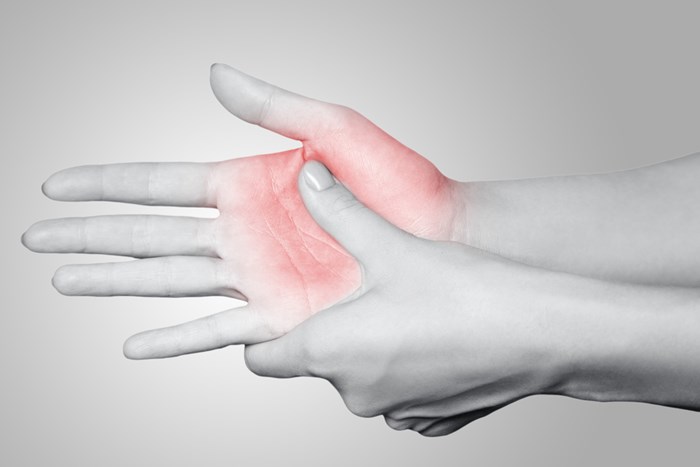
Hand surgery is one of many components in plastic surgery training, and many plastic surgeons incorporate hand surgery into their practices, some focusing solely on hand surgery. This type of very specialized surgery can treat diseases that cause pain and impair the strength, function and flexibility of your wrist and fingers.
One common hand condition treated by plastic surgeons is basilar arthritis, which is osteoarthritis of the base of the thumb causing pain, stiffness and deformity.
 Symptoms include localized pain or swelling, difficulty opening large jars or heavy doors and loss of grip strength. Over time, the motion of the basilar (carpometacarpal) joint may become so limited that the next joint up (the metacarpophalangeal joint) may become hyperextended (stretched) to allow for gripping of large objects. Unfortunately, basilar arthritis may not be recognized and the management may not be understood by primary care doctors.
Risk factors for basilar arthritis include having a family history of osteoarthritis, increasing age and being female. Occupation, activity, diet and obesity are less clearly related to the development of basilar arthritis. Almost 30% of women develop osteoarthritis of the bases of their thumbs in the time around menopause.
When symptoms first start, there are several helpful techniques to decrease pain and to strengthen local muscles. Topical use of capsaicin cream, warm wax baths, contrast baths with ice water and warm water, intermittent use of ibuprofen or acetaminophen, steroid injections, lidocaine patches, night splinting with thumb spica splints and hand therapy all have been found to be helpful.
If the above nonsurgical treatments fail, surgery may be a reasonable option to consider. The goal of surgery is to decrease pain. It may accomplish this through a loss of motion or altered motion. The most common type of procedure involves the removal of one of the wrist bones—the trapezium.
The trapezium is just below the thumb metacarpal bone and its shape allows the thumb to move in many directions. When it becomes arthritic, motion becomes painful, bone spurs form and the forces distributed along the thumb become directed in a less effective way.
The thumb is responsible for 40% of arm strength, so poor thumb function greatly impacts how our hands work. In early stages (without obvious arthritis), stabilizing the thumb with local tissue or redirecting the bone may be considered. Once the trapezium has arthritic changes, other procedures are needed.
Some surgeons only remove the trapezium, others combine removal with additional stabilization procedures. Local tissue can be used to fill in the gap and support the base of the thumb, with some surgeons using implants to prevent the thumb from touching the scaphoid bone. No significant differences have been found between the many alternatives, and it is important to discuss the options, risks and benefits with your surgeon.
Recovery after trapeziectomy takes about three months. After surgery, a period of immobilization is required, followed by range of motion exercises and strengthening treatments.
Occasionally, if there is extensive arthritis throughout the wrist or if you have a "high demand hand," fusing bones together may provide more stability. Recovery may take longer with fusions, motion may be more limited and the risks and benefits may differ from the above options. Hand therapy is generally done after surgery for basilar arthritis with a home exercise program and intermittent visits to the therapist to check progress.
Surgery for basilar arthritis has a high satisfaction rate. If you are having ongoing pain at the base of the thumbs which is limiting your function, perhaps it is time to consider a consultation with a board-certified plastic surgeon.
The views expressed in this blog are those of the author and do not necessarily reflect the opinions of the American Society of Plastic Surgeons.