American Society of Plastic Surgeons
For Medical Professionals
 

Understanding scar discoloration after plastic surgery


understanding scar discoloration after plastic surgery

Most plastic surgery procedures cause some scarring. Patients often determine the success of their surgery by how visible the scars are. Scarring is inevitable with surgery, but there are many different ways to make them less noticeable.

There are many factors that can influence scar color after surgery, including genetics, skin tone, sun exposure, wound healing, scar tension, the types of sutures used during the surgery, the type of surgery performed, the presence of infection, nutrition, vitamin and mineral levels and the type of postsurgical scar treatment.

If you are concerned about scarring after your procedure, it is important to choose a board-certified plastic surgeon who is an ASPS member. They've been trained to help to minimize the appearance of scarring during plastic surgery procedures.

Why does scarring occur after surgery?

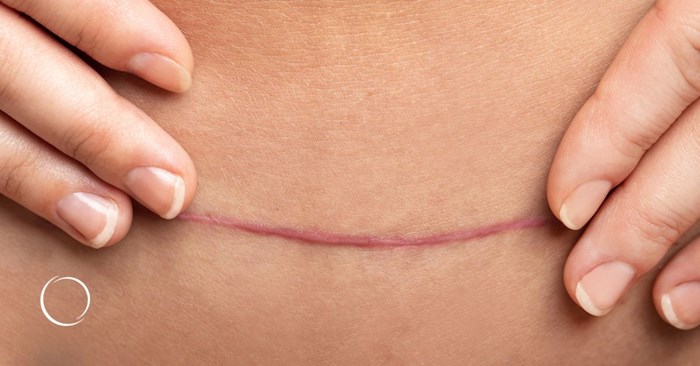
Scar discoloration is one of the most common reasons scars are noticeable after surgery. Typically, patients may notice that their scars look darker than the surrounding skin during the first few months after surgery. It is important to understand that fresh scars can often look red, dark, raised or rough as they heal. Some scars can take up to 18 months to fully heal.

Once your scar has fully healed, if you are still unhappy with its appearance, scar revision may be an option. Nothing can truly get rid of a scar, but there are surgical and nonsurgical options to make it less noticeable.

This darkening of the scar may occur as a result of four common processes:

  • Extra pigment or scar hyperpigmentation: Your skin may produce more melanin or pigmentation in the scar area. This can be long-lasting and sometimes permanent. Treatments such as skin-lightening creams or exfoliating peels can reduce discoloration.
  • Bruising or hemosiderin discoloration: This can happen after bleeding or bruising under the skin. Hemosiderin discoloration commonly occurs in the lower eyelids, face and lower legs. Treatments such as lasers or exfoliation therapy help these scars fade.
  • Skin color differences or skin mismatch: Natural variation in skin color in areas like the armpits, breast fold, belly button, pubic area, inner thighs, knees and elbows can make scars stand out. If your plastic surgery procedure involves the removal of large amounts of skin, the scar may show a difference in skin color above and below the incision line. These differences can sometimes cause significant scar visibility along incisions for a tummy tuck, thigh lift, arm lift or breast surgery. Treatments include a combination of skin lighteners, exfoliative treatments, surgery or lasers.
  • Redness or post-inflammatory hyperemia: New scars can look pink or red. It is important for your plastic surgeon to distinguish between normal scarring and persistent inflammation that may lead to keloid formation. The gold standard for treatment includes the pulsed dye laser to reduce redness and scar discoloration caused by inflammation.

Scar discoloration may be caused by many factors, some controllable and others uncontrollable. Genetics often plays a large role in how you scar after surgery. You can help scars heal and be less visible by balancing your nutrition, avoiding excess stress or tension on your incision line, reducing microbial contamination, minimizing direct sun exposure and following the guidelines set by your plastic surgeon for your particular surgery.

If, after fully healing, you are still unhappy with your scars, treatments are widely available to help you reduce their appearance. Speak with your plastic surgeon to discuss treatment options.

*Levon Karamanoukian and Jun Yun co-authored this blog


The views expressed in this blog are those of the author and do not necessarily reflect the opinions of the American Society of Plastic Surgeons.

Logo

Surgeons In Your Area

Alan Chen Headshot

Alan Chen, MD

U.S. Board Certified
Suite 103, 823 129th. Infantry Drive
Joliet, IL 60435
United States

1-815-729-9527

Lucio Pavone Headshot

Lucio Pavone, MD

U.S. Board Certified
Suite 205, 120 Spaulding Drive
Naperville, IL 60540
United States

16306466020

Evan Manolis Headshot

Evan Manolis, MD

U.S. Board Certified
Suite 10, 10710 West 143rd. Street
Orland Park, IL 60462
United States

1708873-9600

Michael Salvino Headshot

Michael Salvino, MD

U.S. Board Certified
Suite 216, 911 North Elm
Hinsdale, IL 60521
United States

1630929-6565

Daniel Krochmal Headshot

Daniel Krochmal, MD

U.S. Board Certified
Ste 200, 230 E Ogden Ave
Hinsdale, IL 60521
United States

1 (312) 847-1230

Sandeep Jejurikar Headshot

Sandeep Jejurikar, MD

U.S. Board Certified
Suite 106, 3800 Highland Avenue
Downers Grove, IL 60515
United States

16309600023

David Dreyfuss Headshot

David Dreyfuss, MD

U.S. Board Certified
801 MacArthur Boulevard, Suite 206
Munster, IN 46321
United States

1815806-9400

Karina Alexander Headshot

Karina Alexander DO

U.S. Board Certified
Suite 700, 28381 Davis Pkway
Warrenville, IL 60555
United States

1 (630) 545-7875

Logo

Patient Care Center